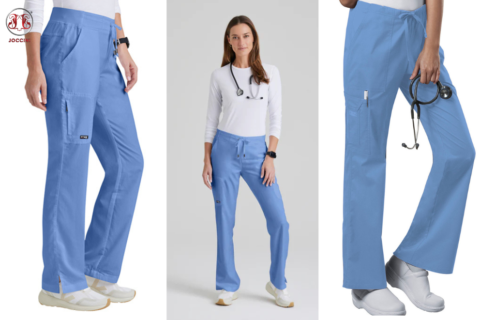

Best Scrubs for Nurses in 2025: Comfort, Durability & Performance by Joccini Workwears
- By admin
- 0 Comments
- Posted on
Ultimate Guide to Scrubs for Nurses in 2025
As a nurse, selecting the right scrubs isn’t just about style—it’s about performance. Whether you’re looking for scrub sets for nurses that offer long-lasting support or you need comfortable nursing scrubs that help you stay focused during a 12-hour shift, the right choice matters. Your uniform must be durable, breathable, and built for real-life movement.
At Joccini Workwears, we design our scrubs with insight from real healthcare professionals to ensure every stitch serves a purpose. Whether it’s antimicrobial fabrics, multi-pocket utility, or jogger-style fits, we prioritize performance and practicality. This guide covers everything you need to know about choosing the most durable scrub sets, the best medical scrubs, and nursing workwear that meets both clinical standards and personal comfort.
Today’s scrubs are more than utilitarian garments—they reflect professionalism, enhance mobility, and provide protection in high-risk environments. Nurses have specific needs when it comes to workwear, including antimicrobial protection, moisture management, flexible movement, and compliance with facility dress codes. A thoughtfully chosen pair of scrubs not only boosts your physical comfort but also reinforces your confidence and readiness for anything your shift throws at you.
Most Comfortable Nursing Scrubs in 2025
Choosing comfort means fewer distractions and more energy for your patients. These are the leading scrub sets that maximize wearability without compromising on professionalism.
Joccini FlexCare™ Series
Our flagship line, Joccini FlexCare™, is designed with premium cotton-spandex blend for maximum softness and stretch. The tagless design, moisture-wicking panels, and vented side seams keep you cool even during extended shifts. Six thoughtfully placed pockets provide utility without the bulk. These scrubs combine performance-grade functionality with a tailored silhouette, making them the top choice for both hospital and clinic environments. The antimicrobial treatment ensures added protection throughout your day, especially in high-contact settings.
Figs
Figs scrubs are engineered for style and performance. Their signature FIONx™ fabric is antimicrobial, wrinkle-resistant, and designed for all-day movement. Figs are especially favored by younger professionals for their sleek, fashion-forward look, while maintaining high utility with deep pockets and smart seam placement. Their color selection and inclusive sizing have also made them a go-to for healthcare staff looking to express personal style within clinical standards.
Grey’s Anatomy by Barco
Barco’s Grey’s Anatomy line offers ultra-soft stretch fabric with moisture-wicking capabilities. The collection is perfect for nurses seeking an elegant, elevated appearance while benefiting from a high level of comfort. These scrubs are popular in both clinical and outpatient settings thanks to their durability and luxurious feel. The brand’s signature fabric mimics the softness of your favorite loungewear while maintaining a polished, professional appearance.
Cherokee Infinity
Known for its four-way stretch and functional styling, Cherokee Infinity scrubs are excellent for nurses working long shifts. The athletic cut allows unrestricted movement, while the knit panels and durable fabrics ensure breathability and longevity. Many nurses appreciate the jogger-style options paired with performance-driven tops. These scrubs also include features like antimicrobial finishes and moisture-wicking, making them a staple for high-performance workplaces.
WonderWink Pro
WonderWink Pro features modern fits with practical features. Known for utility, this line offers extra pockets, badge loops, and utility loops without sacrificing shape or comfort. The fabrics are lightweight yet sturdy, great for fast-paced hospital floors and outpatient centers. The designs are tailored to flatter every body type, offering inclusive sizing and contemporary silhouettes.
Best Durable Scrub Sets for Long-Term Wear
When you’re working five shifts a week, your scrubs should last months—not just weeks. These scrub sets are engineered to survive harsh laundering, long hours, and physical activity.
Brand | Material Composition | Notable Features |
Joccini ProWear™ | Cotton/Poly/Spandex | Double-stitched, fade-proof, durable mesh inserts |
Cherokee Workwear Revolution | Polyester/Rayon/Spandex | Reinforced stress points, wrinkle-free, easy care |
Figs Catarina | Proprietary 4-way stretch blend | Antimicrobial, flexible, maintains fit after repeated washing |
Dickies EDS Essentials | Polyester/Spandex | Excellent color retention, high wear resistance |
Barco One | Recycled Poly-Spandex | Temp-regulating, eco-friendly, fluid-resistant finish |
Durability means more than thick fabric—it includes seam quality, resistance to tears, and shrink-proof performance. Each of these sets has been tested by healthcare professionals in high-impact units, making them reliable options for nurses across specialties. From trauma centers to maternity wards, these scrub sets provide long-term value without compromising on flexibility, breathability, or hygiene.
Scrubs and Infection Control: What You Need to Know
Healthcare workers operate in environments where cleanliness and infection control are critical. Scrubs should play an active role in helping prevent the spread of harmful microbes.
In today’s fast-paced clinical settings, scrubs for nurses are more than just uniforms—they are essential tools in the fight against healthcare-associated infections. From ICU wards to outpatient clinics, your choice of nursing scrubs can play a vital role in maintaining patient safety and protecting your own health. The best medical scrubs are designed with infection control in mind, using modern technology and fabrics to minimize contamination risks while ensuring comfort and function.
Whether you’re looking for comfortable nursing scrubs that keep you cool under pressure or durable scrub sets that stand up to hospital-grade laundering, selecting the right features can make all the difference. This section breaks down how scrub materials, design, and care routines contribute directly to better infection control outcomes.
Why Infection Control Matters in Scrub Design
Infection control is a critical aspect of healthcare, and your scrubs are a frontline defense. Nurses work in environments where they’re frequently exposed to bacteria, viruses, and other pathogens. The right scrubs can reduce the spread of infections between patients and protect the healthcare provider as well. Materials, design, and maintenance routines all play a role in infection prevention.
Key Features to Look For
- Antimicrobial Treatments: Look for scrubs infused with antimicrobial technology that actively resists the growth of bacteria, fungi, and odor-causing microbes. These fabrics maintain cleanliness between washes and are especially beneficial for high-risk areas like ICU or oncology.
- Fluid-Resistant Fabric: Some scrubs are designed with a fluid barrier, which can help prevent absorption of blood or bodily fluids. This is essential for procedures with a high likelihood of splash exposure.
- Minimal Pockets and Seams: Designs with fewer seams and simplified pockets reduce the number of surfaces where bacteria can linger. Fewer folds and creases make scrubs easier to clean thoroughly.
How Scrub Fit Affects Contamination Risk
Scrubs that are too loose may drag across beds, patients, or equipment, increasing the risk of picking up contaminants. On the other hand, overly tight scrubs may limit mobility and cause stress on seams, making them prone to tearing. A tailored but relaxed fit is ideal for reducing both contamination risk and wear-and-tear.
Proper Laundry Protocols for Infection Control
To maintain the protective properties of your scrubs:
- Wash them in hot water (at least 60°C/140°F) after every shift.
- Use a disinfectant detergent or an additive like hydrogen peroxide or bleach if the material allows.
- Avoid mixing work scrubs with regular household laundry.
- If possible, dry scrubs on high heat to ensure any remaining pathogens are eliminated.
When to Replace Scrubs
Even high-quality antimicrobial scrubs will lose effectiveness over time. Replace scrubs if:
- They develop holes, thinning, or tears.
- Antimicrobial treatments have worn off (check care labels for wash limits).
- There are persistent stains or odors that don’t go away after washing.
Future Innovations in Infection-Resistant Scrubs
Technology continues to evolve, with new fabrics being developed that self-sanitize or change color when contaminated. Smart textiles integrated with UV light resistance or embedded sensors could become the future of infection control in healthcare uniforms.
Material-Based Protection
Natural cotton offers breathability but may harbor bacteria if not washed at high heat. Polyester and synthetic blends dry faster and are more bacteria-resistant. Antimicrobial fabrics actively fight pathogens on contact and are ideal for ICU, oncology, and pediatrics departments. These modern fabrics often include silver or copper ion technology that neutralizes bacteria between washes.
Smart Design for Safety
Choose designs with minimal seams and pockets to reduce areas where contaminants can accumulate. High collars, secure cuffs, and tapered fits can help reduce surface contact. Joggers, in particular, are becoming a popular choice due to their tapered ankle that prevents scrubs from dragging across contaminated floors. Some advanced scrubs also come with barrier coatings or fluid-resistant membranes to protect against spills and splashes.
Proper Laundry Practices
Always launder scrubs separately from everyday clothing. Use hot water and medical-grade detergent. Avoid fabric softeners if your scrubs are antimicrobial, as they can break down the treatment. Consider using color-safe bleach and a second rinse cycle to ensure complete cleanliness. Hospitals often recommend having a dedicated laundry cycle or even changing scrubs mid-shift in high-risk zones.
Scrubs vs Lab Coats: Which Offers Better Protection?
Scrubs are easier to wash daily and cover more body surface directly. Lab coats add an extra barrier layer but are often overlooked during laundry. A combination of scrub and lab coat offers enhanced protection, especially in high-contact patient care areas. Some healthcare systems now provide guidelines for when to wear each based on zone contamination levels and exposure type.
Style Trends in Nursing Scrubs for 2025
Jogger-Style Pants
Combining comfort and mobility, jogger-style scrub pants are increasingly popular. Their tapered design and ankle cuffs minimize tripping hazards and help maintain hygiene by avoiding floor drag. They’re perfect for dynamic work environments and also offer a more tailored, fashionable fit.
Tech-Enabled Scrubs
Some newer scrubs include RFID-blocking pockets for secure badge and device storage. Others feature moisture sensors or anti-static fabric for use in surgical or tech-heavy areas.
Gender-Neutral Designs
More brands are offering inclusive, unisex fits that adapt to all body types without sacrificing professionalism. These styles are ideal for modern healthcare teams that value comfort, identity, and cohesion.
Sustainable Scrub Materials
Eco-conscious scrubs made from recycled plastic bottles or biodegradable fibers are gaining popularity. Brands like Barco One lead the way in balancing comfort and sustainability without compromising durability.
Pro-Level Tips for Selecting, Washing, and Maintaining Your Nursing Scrubs
Choosing the right scrubs is only half the battle—knowing how to care for them properly ensures they last and perform at their best. These insider tips combine practicality with professional advice to keep your wardrobe rotation efficient, hygienic, and compliant.
1. Own a Sufficient Rotation
Aim for at least five to seven scrub sets in your rotation. This prevents excessive wear and tear from frequent washing and ensures you always have a clean pair ready—especially during back-to-back shifts or unexpected schedule changes.
2. Use a Dedicated Wash Routine
Never mix scrubs with regular household laundry. Wash them separately using medical-grade detergent and hot water (at least 60°C/140°F) to eliminate bacteria and viruses. Avoid fabric softeners if your scrubs are antimicrobial, as they can break down protective treatments.
3. Choose Function First, Fashion Second
A trendy look is great, but utility matters more in a high-stakes environment. Prioritize scrubs with sufficient pocket space, stretch, and breathability. Check brand size guides and read reviews to get the best fit, particularly if you’re investing in joggers or tapered-leg styles.
4. Know the Return Policy
Healthcare apparel should work as hard as you do. Before purchasing, ensure the brand offers a flexible return or exchange policy. This is especially important when trying new brands or sizing options.
5. Follow Color Guidelines
Many hospitals assign colors based on department or role—for example, navy for RNs or ceil blue for surgical staff. Confirm the dress code at your facility to avoid unnecessary returns and ensure compliance.
6. Inspect Regularly for Wear and Tear
High-quality scrubs will last longer, but they’re not indestructible. Check for thinning fabric, stretched seams, or faded antimicrobial properties. Replace any sets that compromise hygiene or professional appearance.
7. Store Clean Scrubs Properly
After washing, store your scrubs in a clean, dry place away from household contaminants. Consider using a dedicated bin or garment bag if you’re commuting or changing on-site.
By following these tips, you can make your scrub investment last longer, keep your appearance sharp, and maintain proper infection control in every shift.
Final Thoughts: Why Joccini Workwears Delivers the Best Nursing Scrubs for 2025
In the fast-paced world of modern healthcare, nurses demand scrubs that perform as hard as they do. That means workwear that offers superior comfort during long shifts, proven durability through frequent laundering, and smart, antimicrobial features to support infection control. At Joccini Workwears, every scrub is designed with direct input from working nurses to ensure real-world performance.
Our nursing scrubs combine ergonomic tailoring, performance-grade fabrics, and fluid-resistant technology to support you through every challenge of your day. Whether you’re working in a trauma unit, surgical suite, or outpatient clinic, Joccini offers solutions that enhance mobility, deliver consistent comfort, and maintain a polished professional appearance.
From our FlexCare™ line known for all-day comfort to our ProWear™ series built for resilience and extended use, we provide a full spectrum of options to meet your needs. We also stay ahead of trends—offering jogger-style fits, gender-neutral designs, and eco-conscious materials for the next generation of healthcare professionals.
If you’re seeking the best medical scrubs, durable scrub sets, or high-performance nursing uniforms that meet the evolving standards of healthcare in 2025, look no further than Joccini.
Explore our complete 2025 collection at JocciniWorkwears.com and elevate your professional wardrobe with scrubs built for performance, protection, and pride.
FAQs
Look for breathable, moisture-wicking fabrics such as polyester-spandex blends or ventilated cotton. These help regulate body temperature and prevent sweat buildup during long shifts in warm hospital units.
Jogger scrubs are widely accepted, especially in modern and progressive healthcare facilities. However, always check your facility’s official dress code or HR policy to ensure compliance, particularly in surgical or specialty departments.
For quality at a budget-conscious price, WonderWink and Cherokee are strong choices. They balance durability and function without a premium price tag. Joccini offers a higher-end option with extended lifespan and added features, providing greater long-term value.
Ideally, scrubs should be replaced every 6–12 months, depending on frequency of use and wash cycles. Replace them sooner if you notice fading, fraying seams, fabric thinning, or if antimicrobial coatings are no longer effective.
Stick with your regular size for stretch-fit scrubs unless the brand’s reviews or size chart suggest otherwise. If you’re between sizes, consider ordering both and taking advantage of return options to find your best fit.